Stay cool and in control.
Hot weather can increase your electricity usage. Explore simple ways to manage your energy use while staying comfortable. Explore energy-saving tips
Stay cool and in control.
Hot weather can increase your electricity usage. Explore simple ways to manage your energy use while staying comfortable. Explore energy-saving tips
UNDERSTANDING DEMAND CHARGES FOR YOUR BUSINESS

A demand charge is a fee based on the highest amount of electricity your small business uses at any one time during a billing cycle. This charge is set by your local utility or Transmission and Distribution Service Provider (TDSP), regulated by the Public Utility Commission of Texas (PUCT) and outlined in the TDSP’s tariff.
If you own a business, your electricity bill works differently than your home bill. It includes two parts:
Demand charges are based on your business’s peak electricity use during any 15-minute period in the billing cycle. For example, if you turn on your HVAC and large equipment at the same time, that sudden spike creates high demand. Even if you don’t use a lot of energy overall, your demand can still be high.
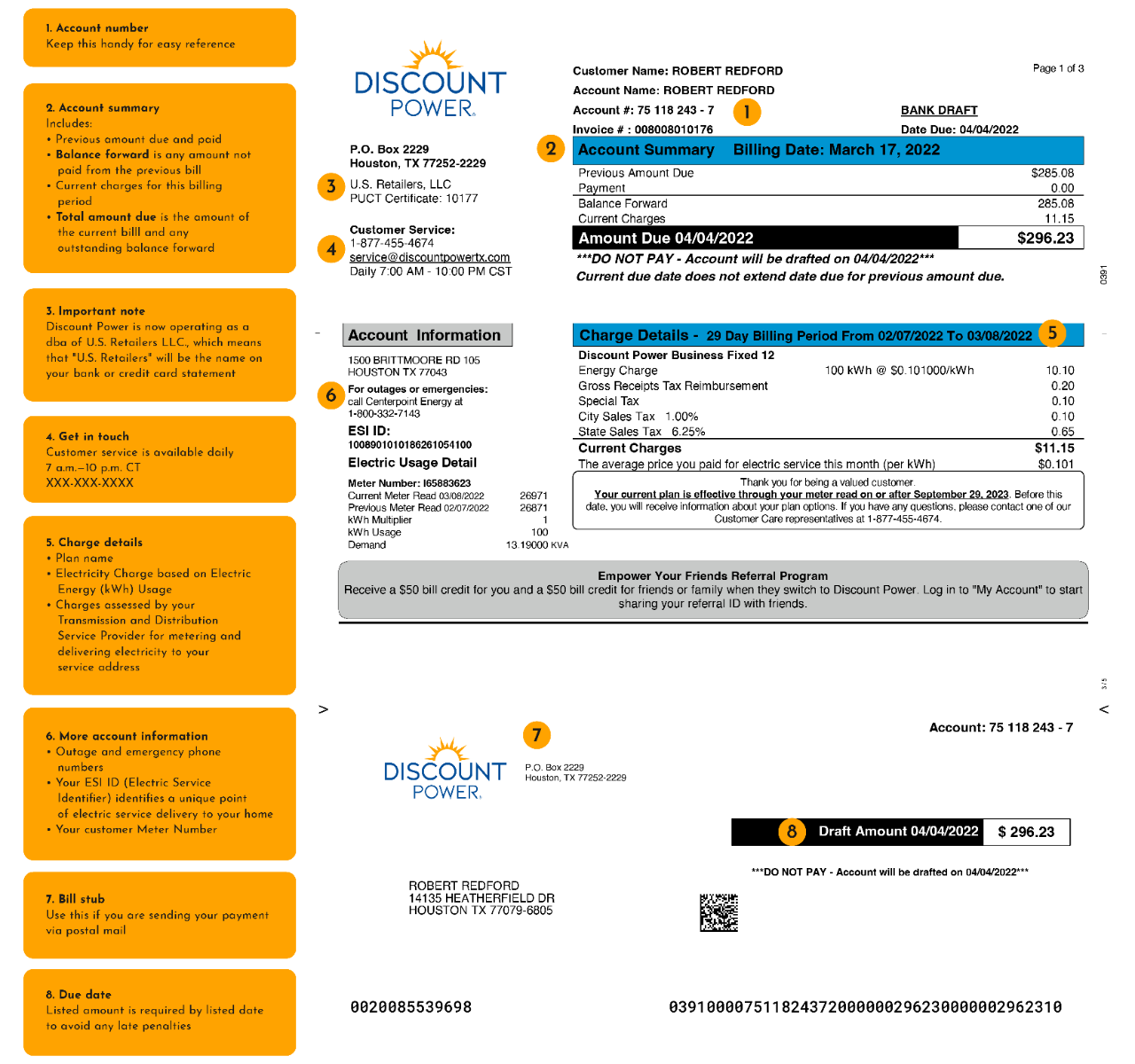
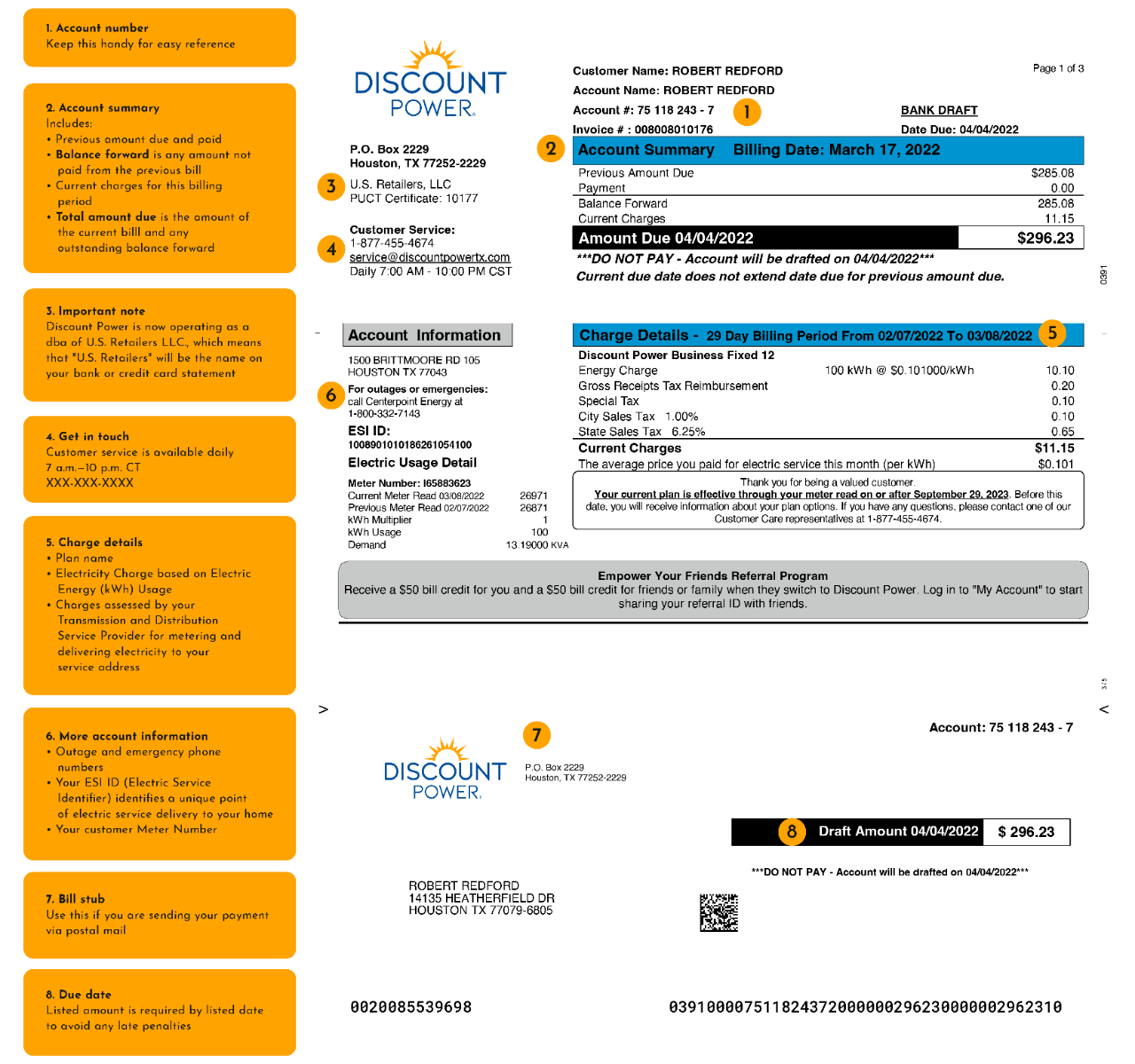

You’ll see the demand charge included with other delivery charges from your TDSP. It’s usually listed as a single line on your bill. You can also find your peak demand listed in kilowatts (kW) or kilovolt-amperes (kVA).
For more information on how demand charges are calculated by your TDSP, go to the PUCT’s official rates and tariffs page.
Your TDSP may still apply demand charges until your electric meter is fully de-energized. Even if your business is mostly shut down, using electricity for just 15 minutes can set a new peak demand for the month.
The demand charge is based on your business's highest 15-minute interval of energy use during the billing cycle. This number is then multiplied by the rate in your TDSP’s tariff.
Your TDSP measures the highest 15-minute usage period in a billing cycle. That number is multiplied by the current rate per kW to calculate your demand charge.
Check out our Understanding your bill page to gain a better understanding of your electricity bill.
