FALL ENERGY-SAVING TIPS

FALL ENERGY-SAVING TIPS

FIND ALTERNATIVES TO USING YOUR HEATER.

  • Take advantage of sunlight. Open your curtains on south-facing windows in the morning and let the power of the sun warm your home during the day for free. And when you arrive home, don’t forget to close the curtains to lock in that free heat.
  • Use ceiling fans. Many people don’t realize that ceiling fans aren’t just for summertime — they can also be used in colder months to your advantage. Heat rises, so set the fan blades to spin clockwise and they will push warm air down from the ceiling.
  • Layer up. On crisp autumn days, celebrate all that fall fashion has to offer by adding a warm sweater or scarf instead of automatically reaching for the thermostat.

FIND ALTERNATIVES TO USING YOUR HEATER.

  • Take advantage of sunlight. Open your curtains on south-facing windows in the morning and let the power of the sun warm your home during the day for free. And when you arrive home, don’t forget to close the curtains to lock in that free heat.
  • Use ceiling fans. Many people don’t realize that ceiling fans aren’t just for summertime — they can also be used in colder months to your advantage. Heat rises, so set the fan blades to spin clockwise and they will push warm air down from the ceiling.
  • Layer up. On crisp autumn days, celebrate all that fall fashion has to offer by adding a warm sweater or scarf instead of automatically reaching for the thermostat.

LOWER YOUR THERMOSTAT.

LOWER YOUR THERMOSTAT.

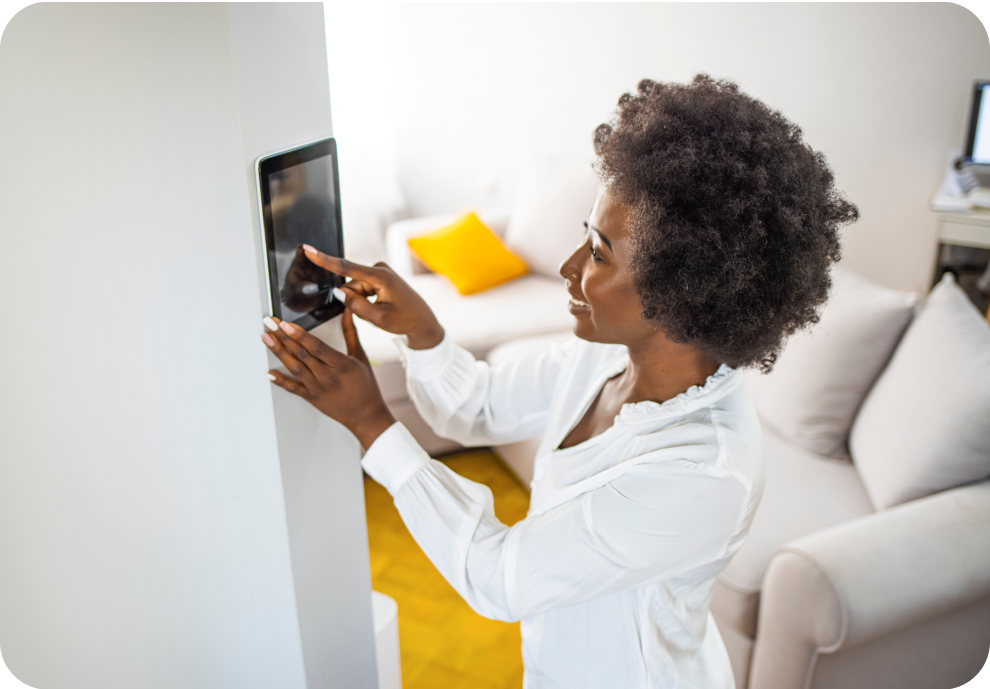
  • Keep your thermostat set at 68 degrees or lower when at home. When temperatures outside begin to drop, set your thermostat as low as comfortable for your family so your system won’t have to work so hard.
  • When not at home, turn your thermostat down more. When you’re gone during the day or for longer periods of time, set your thermostat 10 to 15 degrees lower to conserve energy.
  • Lower your water heater temperature. Water heaters are often set to 140 degrees, but setting them between 120 and 125 degrees is sufficient to provide hot water for your home, reducing your energy costs. It also prevents scalding.

REDUCE HEAT LOSS AROUND YOUR HOME.

Upgrade your insulation. Whether you hire an expert or do it yourself, adding the correct amount of insulation in your exterior walls, crawl spaces, basement and/or attic can deter heat loss and help you save on your electricity bill.

Seal air leaks and cracks around windows and doors. You’ll save on electricity costs by keeping hot air in and cold air out in autumn and winter.

Check your fireplace. When you’re not burning a fire in your fireplace, keep the damper closed to prevent warm air from escaping out the chimney. You can also add caulking around the hearth to ensure heat stays in.

Don’t forget about tiny leaks. Did you know electrical outlets, light switches and lighting fixtures can all be sources of heat loss? Install plastic security caps in outlets or foam gaskets behind outlets and switches to minimize these small but persistent leaks.

MAINTAIN YOUR HVAC SYSTEM.

  • Schedule a seasonal checkup. An HVAC technician can make sure your heater is running efficiently and ready to keep you cozy during the colder months ahead.
  • Replace your furnace filter once a month (or as needed). Keeping your air filter clean is one of the most important energy-saving tips for fall — and winter, spring and summer. Not only does a clean filter allow proper airflow for peak HVAC performance, it also filters out dust, dirt and other allergens from your home.
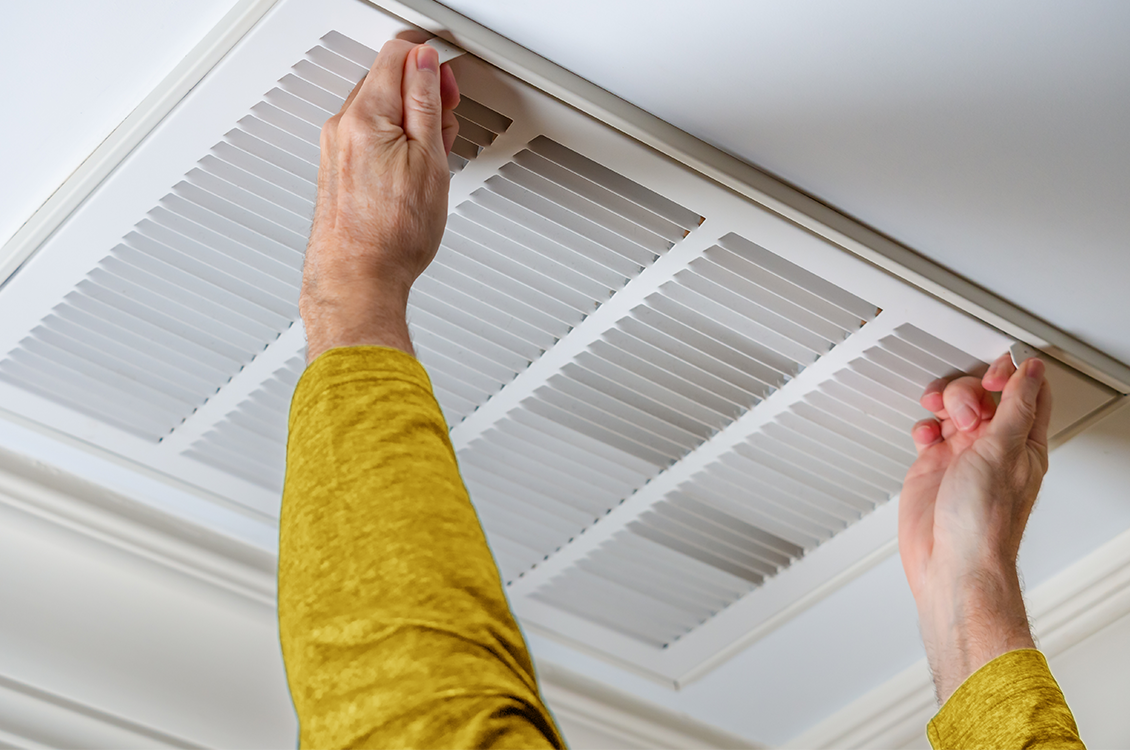
  • Perform a vent check. Make sure all the air vents around your home are free from furniture, drapes, toys or other items that can restrict airflow.

MAINTAIN YOUR HVAC SYSTEM.

  • Schedule a seasonal checkup. An HVAC technician can make sure your heater is running efficiently and ready to keep you cozy during the colder months ahead.
  • Replace your furnace filter once a month (or as needed). Keeping your air filter clean is one of the most important energy-saving tips for fall — and winter, spring and summer. Not only does a clean filter allow proper airflow for peak HVAC performance, it also filters out dust, dirt and other allergens from your home.
  • Perform a vent check. Make sure all the air vents around your home are free from furniture, drapes, toys or other items that can restrict airflow.

CONSIDER ENERGY STAR® APPLIANCES.

Invest in energy efficiency. If you’re considering a new furnace, water heater or other large appliance, it’s always wise to consider those with ENERGY STAR® labels. These energy-efficient models can help you achieve a lower electricity bill by reducing your usage.